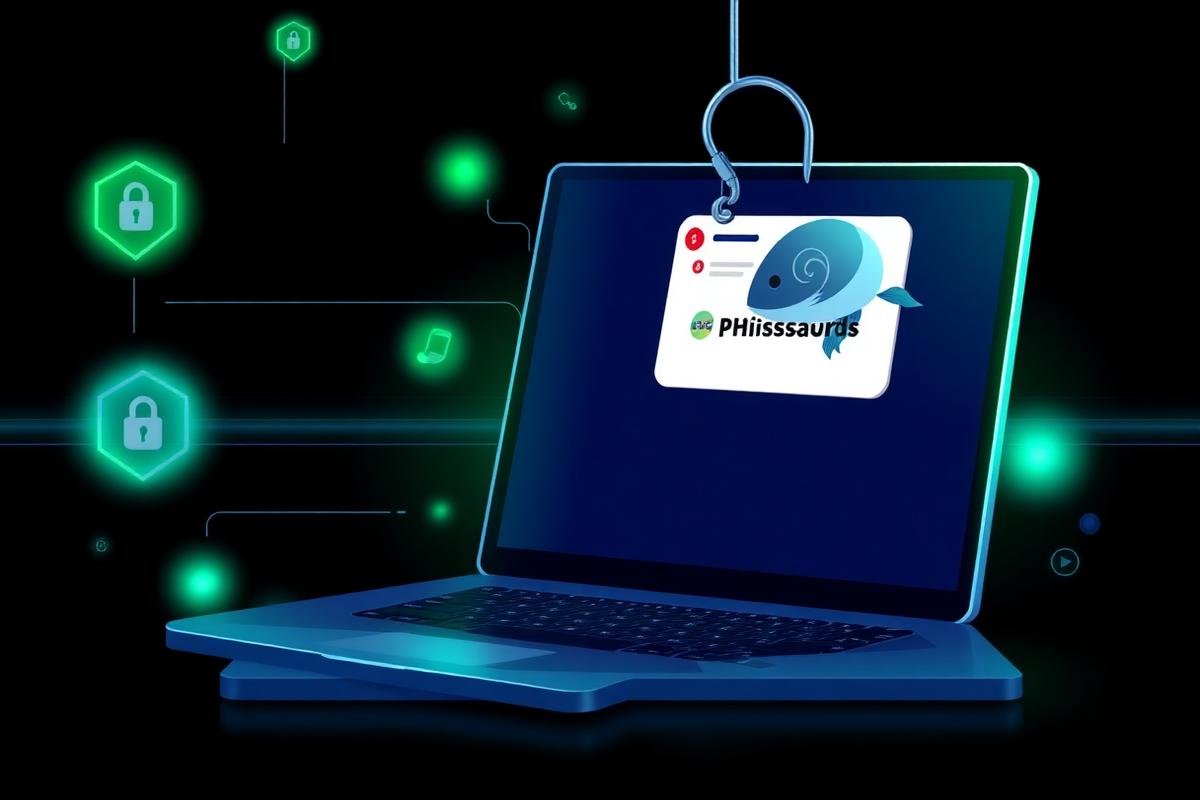
Most people picture a cyber attack as someone in a hoodie cracking code. In reality, the attacks that hit young people are far simpler and far more personal. A message arrives saying your gaming account will be deleted unless you log in right now. A "friend" messages from a hacked profile asking for a verification code. A free-skins website asks you to sign in with your real account. Every one of these relies on the same trick: creating urgency so you act before you think. Once an attacker holds one password, they try it everywhere else — and because most people reuse passwords, it usually works.
The consequences are not just financial. Losing control of a social account can mean private messages, photos and your friends list end up in a stranger's hands, and the embarrassment and anxiety that follow can affect sleep, schoolwork and friendships. This is why online safety is a wellbeing issue, not only a technology issue. Building three habits — a unique passphrase for every important account, two-factor authentication turned on, and a deliberate ten-second pause before clicking any link that pressures you — removes the overwhelming majority of that risk.
Reported to Scamwatch in a single year
Source: Scamwatch / NASC, Targeting Scams report 2024
Of young people have had a negative online experience
Source: eSafety Commissioner, Australia, 2024
Of hacking-related breaches involve weak or stolen passwords
Source: Verizon Data Breach Investigations Report
References
- National Anti-Scam Centre (2024). Targeting Scams: Report on scam activity. Australian Competition and Consumer Commission. scamwatch.gov.au
- eSafety Commissioner (2024). Young people's experiences online. Australian Government. esafety.gov.au
- Verizon (2024). Data Breach Investigations Report. verizon.com/dbir